Paying for Kids' Camps With a Dependent Care FSA in 2026
The 2026 dependent care FSA limit rises to $7,500. Which camp costs qualify (day camps yes, overnight no), the under-13 rule, and how it interacts with the tax credit.
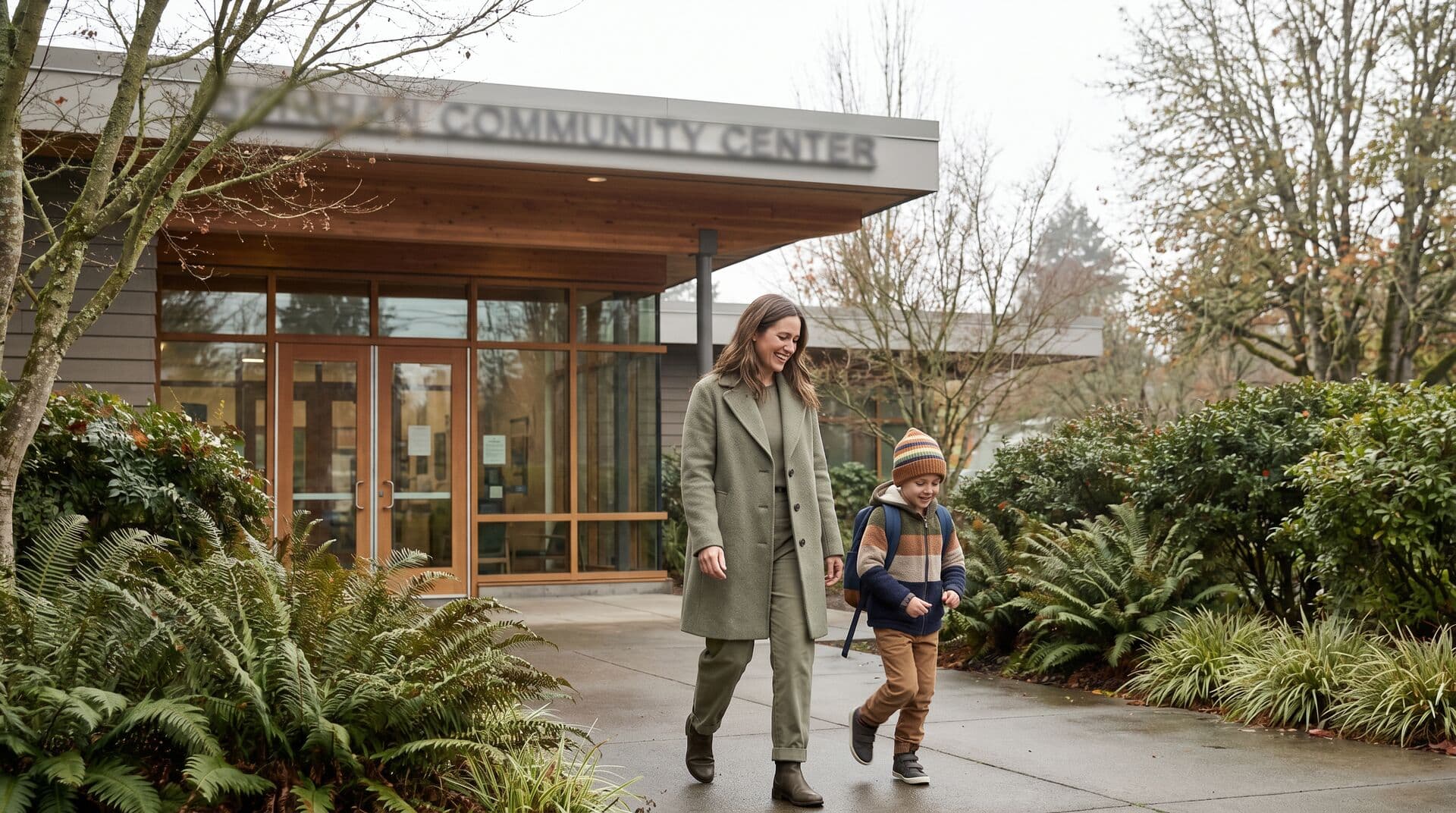
If your employer offers a dependent care FSA (sometimes called a dependent care assistance program), you can pay for many kids' camps with money that isn't taxed as income. For 2026 the yearly limit goes up by half, from $5,000 to $7,500, and open enrollment for next year is when you decide how much to set aside.
This guide covers what changed, which camp costs qualify, and the mistakes that cost families money. It isn't tax advice: your plan's rules and your own tax situation matter, so check with your benefits administrator or a tax professional.
What changed for 2026
The 2025 budget law (Public Law 119-21, section 70404) raised the dependent care exclusion from $5,000 to $7,500 per household (from $2,500 to $3,750 if you're married and file separately), starting with tax years that begin after December 31, 2025.
Your employer's plan sets the cap you can actually elect, so check the maximum in your 2026 enrollment materials rather than assuming $7,500.
Which camp costs count
IRS Publication 503 is the rulebook. For camps, the key lines are:
- Day camps count, even if the camp specializes in one activity. The IRS's own examples are computers and soccer. That covers summer day camps and school-break day camps (Thanksgiving week, winter break, spring break, teacher workdays) alike.
- Overnight camps don't count. Sleepaway camp isn't a work-related care expense.
- Summer school and tutoring don't count. The IRS treats them as education, not care.
- Registration fees and deposits count if you have to pay them to get the care. A deposit you forfeit because the care never happens doesn't.
- Transportation counts only if the care provider provides it, for example a camp bus. Your own gas or a separate carpool service doesn't.
- Before- and after-care for a child in kindergarten or higher can count.
- Care outside your home at a dependent care center counts only if the center meets state and local regulations.
Who qualifies
Age. The child must be under 13 when the care is provided. In the year your child turns 13, only expenses up to the day before their birthday count. If they turn 13 on July 16, July camp after that date doesn't qualify.
Work. The care has to let you (and your spouse, if you're married filing jointly) work or look for work. A spouse who is a full-time student, or who can't care for themselves, is treated as earning $250 a month for one child or $500 a month for two or more.
The tax credit: don't count the same dollars twice
The Child and Dependent Care Credit uses the same expenses, so money you run through an FSA can't also be claimed for the credit. Publication 503 has you subtract excluded FSA benefits from the credit's expense limit, which is $3,000 for one child or $6,000 for two or more.
That means a family with two kids that puts the full $7,500 through an FSA has no expenses left for the credit, because $7,500 is more than the $6,000 limit. With one child, putting $3,000 or more through the FSA uses up the whole $3,000 credit limit.
The credit itself also changes for 2026 (section 70405 of the same law). It now starts at 50% of eligible expenses for lower incomes and phases down to 35%, and then to a 20% floor at higher incomes. Which route saves more depends on your income and tax bracket. Run both before you choose an election amount.
Use it or lose it
Unused dependent care FSA money is generally forfeited at the end of the plan year. Some employers add a grace period of up to two and a half months after the year ends (IRS Notice 2005-42) to spend the remaining balance. Federal employees in FSAFEDS, for example, have until March 15 of the following year. The $500 carryover you may know from health FSAs is a health-FSA rule, so don't count on it for dependent care.
A safe way to size your election is to add up only the camp and care weeks you're already sure of. School breaks are predictable. In Portland, winter break 2026–27 runs from December 19 to January 4, so a family needing camp for Dec 21–25 and Dec 28 – Jan 1 already knows two weeks of costs.
Paperwork to keep
To claim the money, and on your tax return (Form 2441), you'll need each provider's name, address and taxpayer ID: an EIN for a camp organization, or an SSN for an individual. Camps can give you this on IRS Form W-10. Ask for it when you register rather than chasing it the following spring. Keep receipts that show the dates of care. Your FSA administrator may ask for them before reimbursing you.
When to decide
Your FSA election is made during your employer's open enrollment, and most plans need a new election every year. For calendar-year plans that's usually in the fall, so ask HR for your dates. Federal employees: the 2027 Open Season runs from November 9 to December 14, 2026.
Find camps that qualify
Every camp on ProjectKids lists its schedule type, so you can tell a day camp from an overnight one at a glance. To plan the weeks you'll put through your FSA, start with the school-break pages:
Or plan your camp weeks for a break or for summer, with costs shown for each week.
Sources
Planning your kid's whole summer?
Don't piece it together one camp at a time. Tell us your weeks and kids' ages, and we'll build a week-by-week plan that fills every week — free, no account needed to start.
Related Articles

Gresham and East Portland Kids Programs: The Complete Guide for Outer SE Families
The 4:1 camp disparity between NE Portland and outer SE is real, but the programs that do exist in Gresham fill fast. Here are 20+ named camps with exact addresses, prices, and current enrollment status.
Inner Portland Kids Programs: A Guide to Camps in Inner SE, NE and NW
Portland's inner neighborhoods have some of the densest camp options in the city, but the good ones fill in February. Here's what's actually available, what it costs, and how to build a summer that doesn't require two hours of daily driving.
Portland Summer Camps Filling Up: What's Still Open in June
Portland summer camps are filling up faster than most years. Here is what our data shows about which programs still have open spots, which are on waitlist, and what actually moves the needle if you are scrambling right now.