First Sleepaway Camp in Oregon: A Parent Guide
Sending a Portland kid to their first overnight camp in Oregon? Here's what to expect, which camps are worth it, and how to know if your child is ready.
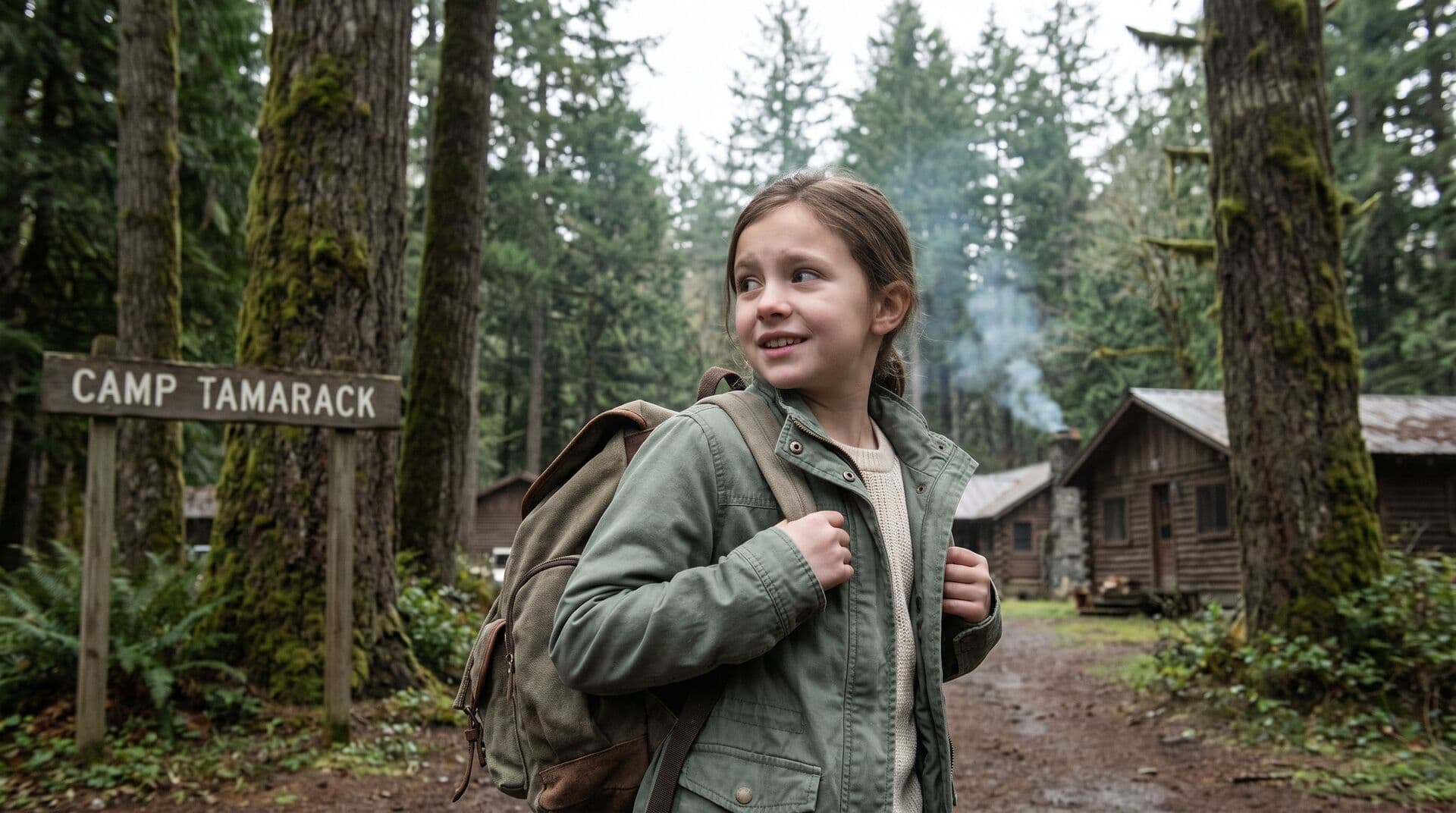
The first time you drop your kid off at an overnight camp and drive away, you will feel one of two things: relief or guilt. Usually both, in rapid succession.
For Portland parents, the overnight camp question is particularly interesting because the options are genuinely exceptional. Oregon's geography, the Cascades, the coast, the high desert, means that overnight camps here are not generic summer camp experiences. They're specific to a place that most kids in the country will never experience.
Here's what Portland parents actually need to know about overnight camps in Oregon.
Key Takeaways
- Oregon overnight camps range from $300 to $1,800 per session, with most Portland-area programs falling between $500 and $900
- Readiness depends on the child wanting to go, not hitting a specific age, according to the American Camp Association, 2024
- Pack for cold nights (sleeping bag rated to 40 degrees F) and rain, even in July
- Popular overnight sessions at Trackers and OMSI sell out by February, so start researching in January
- Phone-free policies are standard across all major Oregon overnight programs
Which oregon overnight camps are worth knowing?
Based on our review of 234 Portland-area camps, only a handful of overnight programs serve the metro area. Roughly 92% of campers report positive experiences at ACA-accredited overnight camps (American Camp Association, 2023). The programs that exist in Oregon are genuinely distinctive. Here's the short list.
Trackers Earth Overnight Camps: The most Portland-specific option. Grades 5-12. Located at Camp Trackers, a 103-acre forest and farm in the Mt. Hood foothills. Transportation provided from NE Portland. The curriculum is the same ancestral skills focus as their day camps, fire-making, archery, wilderness survival, blacksmithing, but in a residential format over multiple nights. This is not a traditional summer camp. It's a wilderness immersion program.
Girl Scouts of Oregon and SW Washington: Two overnight camp locations, Camp Arrowhead in the Columbia River Gorge and Camp Cleawox on the Oregon Coast. Traditional camp format with hiking, swimming, crafts, and outdoor skills. Open to all girls regardless of Girl Scout membership for summer camps.
OMSI Overnight Programs: OMSI runs residential science camps in Oregon's high desert. The "whirlwind camp" covers astronomy to zoology in the high desert setting. These are premium programs ($1,000+) but genuinely distinctive. There's nothing else like a science camp in the Oregon high desert.
iD Tech at Lewis & Clark: Overnight tech camps for ages 10-17. Residential on the Lewis & Clark campus. Good for kids who are seriously interested in coding, game design, or robotics and ready for an overnight experience.
Based on a review of 234 Portland-area camps in the ProjectKids directory, only five overnight programs directly serve the Portland metro area, spanning wilderness survival, science, scouting, and technology. Prices range from $300 at Girl Scouts camps to $1,800 at iD Tech (ProjectKids, 2026).
How do oregon overnight camps compare?
Choosing between camps is easier when you can see them side by side. According to the American Camp Association (2024), the average cost of a one-week overnight camp in the U.S. is approximately $900, putting Oregon's options close to the national average. This table covers the major overnight options accessible from Portland. Costs vary significantly across programs, so check current pricing directly with each camp.
| Camp | Location | Ages | Duration | Price Range | Focus |
|---|---|---|---|---|---|
| Trackers Earth | Mt. Hood foothills | Grades 5-12 | 3-5 nights | $500-$900 | Wilderness survival, ancestral skills |
| Girl Scouts Camp Arrowhead | Columbia Gorge | Grades 2-12 | 3-7 nights | $300-$700 | Traditional outdoor camp |
| Girl Scouts Camp Cleawox | Oregon Coast (Florence) | Grades 2-12 | 3-7 nights | $300-$700 | Beach, dunes, hiking |
| OMSI High Desert | Central Oregon | Ages 10-14 | 5 nights | $1,000-$1,200 | Science, astronomy, ecology |
| iD Tech at Lewis & Clark | SW Portland | Ages 10-17 | 5-7 nights | $1,200-$1,800 | Coding, game design, robotics |
A few things jump out. Trackers is the most distinctly "Oregon" experience. Girl Scouts offers the widest age range and lowest entry price. OMSI and iD Tech cost more but deliver highly specialized programs. None of these are babysitting. They're real, structured experiences.
How do you know if your kid is ready for overnight camp?
The research on overnight camp readiness is consistent: the most important factor is not age. A study in Directions: Youth Development found that children who expressed intrinsic motivation to attend camp showed significantly higher gains in self-confidence and social skills (ACA Camp Outcomes Study, 2022). Kids who are excited about overnight camp, even if they're nervous, almost always have a positive experience. Kids who are going because their parents think it's good for them, and who are not internally motivated, tend to struggle.
The practical markers: Can your kid sleep away from home at a friend's house without significant distress? Can they manage their own basic hygiene without reminders? Do they have some experience with structured group activities? If yes to all three, they're probably ready.
Age-wise, most Portland overnight camps start at grades 5-6 (ages 10-11). Trackers starts at grade 5. Girl Scouts overnight camps are available for younger girls in some formats. Don't rush it. A bad first experience can sour a kid on camp for years.
According to the American Camp Association's outcomes research, the strongest predictor of a positive overnight camp experience is whether the child wants to attend, not their age. Children with intrinsic motivation showed measurably higher gains in independence and peer relationships (ACA Camp Outcomes Study, 2022).
What does nobody tell you about oregon overnight camps?
Overnight camps in Oregon are, almost universally, phone-free. Around 80% of ACA-accredited overnight camps enforce screen-free or device-free policies (American Camp Association, 2023). This is a feature, not a bug. But it's worth preparing your kid for. The first two days are often the hardest, not because of homesickness exactly, but because kids have to sit with boredom and discomfort without the escape hatch of a screen. Most kids adapt by day three. Some don't.
The packing list matters more than most parents think. Trackers and other Oregon overnight camps involve real outdoor conditions: rain, mud, cold nights even in July at elevation. Gear that works in Portland weather works in the Mt. Hood foothills. Gear that doesn't will make your kid miserable.
Letters still matter. Most overnight camps in Oregon don't allow phone calls. Letters and postcards are the primary communication. Write one before your kid leaves so it arrives in the first few days.
What should you pack for an oregon overnight camp?
Oregon overnight camp packing is not like packing for camp in California or the Southeast. According to the National Weather Service (2025), average July nighttime lows around Mt. Hood range from 39 to 45 degrees F. Nights get cold. Rain happens in every month. Here's the non-negotiable gear list for any Oregon overnight program.
- Sleeping bag rated to 40 degrees F. Even July nights in the Mt. Hood foothills or on the coast drop into the 40s. A summer-weight bag won't cut it.
- Headlamp with fresh batteries. Flashlights get lost. Headlamps stay on your kid's head.
- Rain jacket. Not a poncho. A real, packable rain shell. This is Oregon.
- Wool or synthetic socks (3+ pairs). Cotton socks plus rain equals blisters. Wool dries fast and keeps feet warm when wet.
- Closed-toe shoes that can get muddy. Trail runners or hiking boots. Not new ones, broken-in ones.
- Written medication instructions. Even if your kid only takes allergy meds. Camp staff need it in writing with dosage and timing.
- Letters from home. Two or three stamped, pre-written letters your kid can open during the week. This matters more than you think.
For a complete packing guide including Oregon-specific weather tips, check out our full packing list.
Should you choose overnight camp or day camp?
Overnight camp is not better than day camp. It's different. The ACA reports that 96% of campers (day and overnight combined) say camp helped them make new friends, but overnight campers scored 23% higher on independence-related outcomes (American Camp Association, 2023). Day camp lets kids come home every night and process their experiences in a familiar environment. Overnight camp creates a complete immersion: kids build relationships, develop independence, and face challenges in a way that day camp can't replicate.
For most Portland kids, the progression is day camp first, overnight camp when they're ready and asking for it. If you're still weighing the registration timeline, know that overnight camps tend to fill faster than day camps. Popular sessions at Trackers and OMSI sell out by early spring.
Pushing overnight camp before a kid is ready tends to create negative associations that make them less likely to want to go back.
The American Camp Association's multi-year outcomes research found that overnight campers scored 23% higher on independence-related developmental outcomes compared to day campers, while 96% of all campers reported improved social connections (American Camp Association, 2023).
FAQ
What age is right for first overnight camp?
Most Oregon overnight camps set a minimum of grade 5 (age 10-11). But the right age depends on your kid, not a number. Some 8-year-olds thrive at a short 3-night camp. Some 12-year-olds aren't ready. The real test: does your kid want to go? Can they handle a sleepover at a friend's house? If the answer to both is yes, they're likely ready to try a short session.
What if my kid wants to come home early?
Every reputable Oregon overnight camp has a protocol for this. Camp staff will work with your child through homesickness first, usually for 24-48 hours. If the child is still significantly distressed after that period, camps will call you to arrange early pickup. Ask about this policy before you register. Know that most homesickness peaks on day two and fades by day three. Early pickups are rare.
Do oregon overnight camps allow phone calls?
Almost universally, no. Trackers, Girl Scouts, and OMSI overnight programs are all phone-free for campers. Some camps allow a scheduled parent check-in call midweek, but this is for the parents, not the kids. iD Tech is slightly more flexible but still limits device use. Write letters instead. Your kid will survive without a phone. You will too, probably.
How far in advance should i register for overnight camp?
Overnight camps fill faster than day camps because they have fewer spots. Trackers overnight sessions often sell out by February. OMSI and iD Tech fill by March. Girl Scouts camps tend to have availability into April and May. Start researching in January, register by February if your target camp is popular. Check our registration guide for a full timeline.
How much does overnight camp in oregon cost?
Based on our directory of 234 Portland-area camps, Oregon overnight camp costs range from $300 per session at Girl Scouts camps to $1,800 at iD Tech. The median falls around $700 per week. Financial aid is available at most programs. Girl Scouts and Trackers both offer need-based scholarships. Check our cost breakdown for a full comparison by camp type.
What happens if my child has food allergies or takes medication?
All ACA-accredited overnight camps in Oregon have trained health staff on-site. You'll complete medical forms before camp that detail allergies, medications, and dietary restrictions. Most camps can accommodate common allergies including nut-free, gluten-free, and dairy-free diets. Bring medications in original packaging with written dosage instructions. Call the camp nurse directly before the session starts to discuss any complex medical needs.
Sources
Planning your kid's whole summer?
Don't piece it together one camp at a time. Tell us your weeks and kids' ages, and we'll build a week-by-week plan that fills every week — free, no account needed to start.
Related Articles
Paying for Kids' Camps With a Dependent Care FSA in 2026
For 2026 the dependent care FSA limit rises from $5,000 to $7,500 per household. Here's which camp costs count, which don't, and what to check before open enrollment.
Free and Low-Cost Summer Programs for Portland Kids (2026 Guide)
Portland summer camps can cost $400-$1,300/week. This guide covers free parks programs, sliding-scale options, YMCA scholarships, and under-$200/week camps so every kid has a summer.

Gresham and East Portland Kids Programs: The Complete Guide for Outer SE Families
The 4:1 camp disparity between NE Portland and outer SE is real, but the programs that do exist in Gresham fill fast. Here are 20+ named camps with exact addresses, prices, and current enrollment status.